
loading indicator text
Loading

From debris to reflection
Building vitality through multiple definitions

Farglory Construction Waste Upcycling Project 4.0

scroll

In the workspaces of Farglory employees,waste materials and differing opinions have combined to create upcycled furniture sparked by inspiration.

photo-1
photo-2
photo-3
photo-4
photo-5
photo-6
photo-7
photo-8
photo-9
裝飾圖

The same clash has now moved
beyond Farglory’s walls,
and revealed itself in a
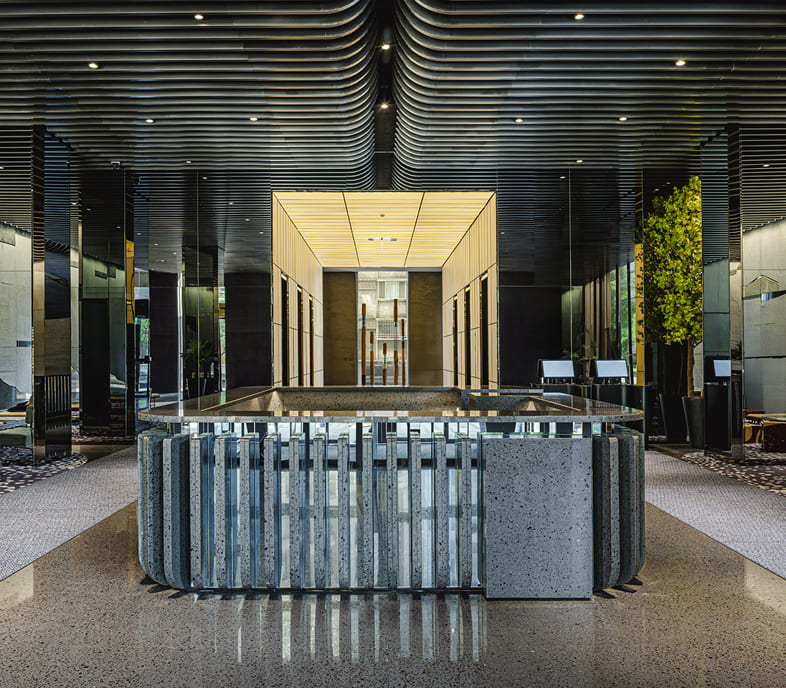
public space—the first-floor lobby.

Finding the hidden details in pieces of furniture is like a treasure hunt, rousing endless curiosity.

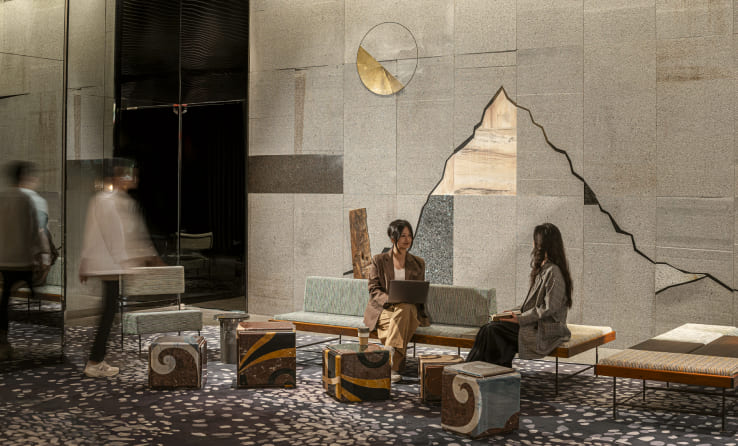
A seating area that inspires thinking

Order

Playfulness

A seating area that inspires thinking

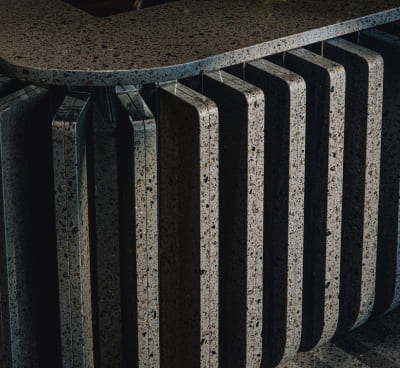
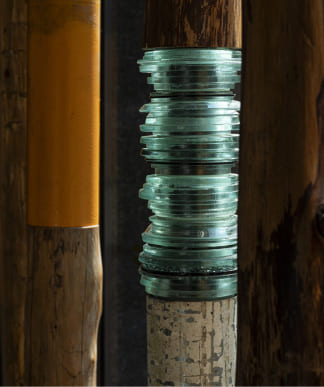
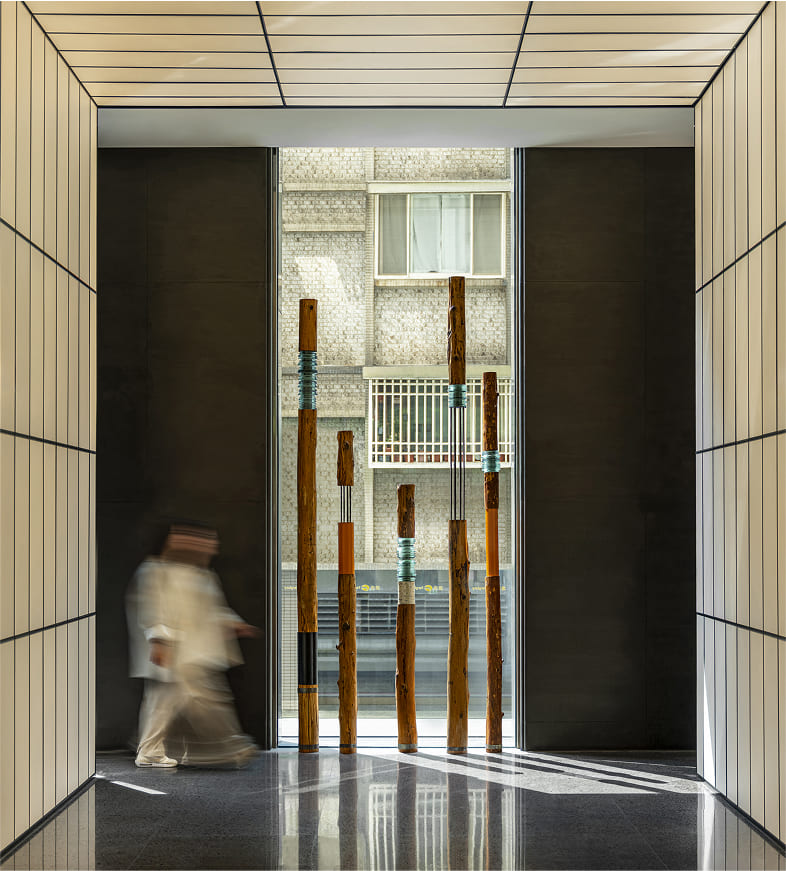
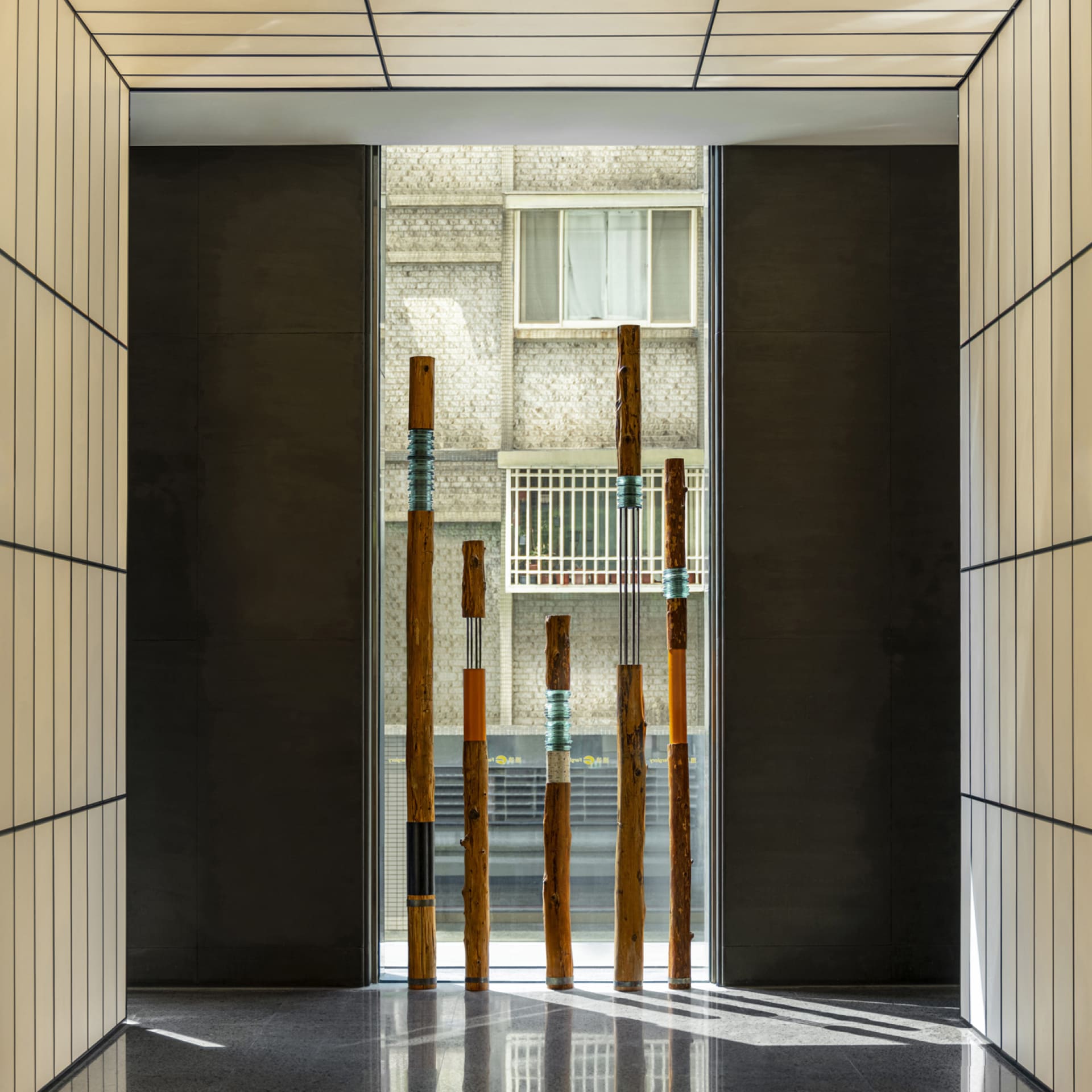
Waste is cut, melted, and ultimately fused into a translucent forest.

Reclaimed timber posts that allow light to penetrate

Fracture

Fusion

Reclaimed timber posts that allow light to penetrate

Rules exist to break habits and allow the imagination to soar without limits

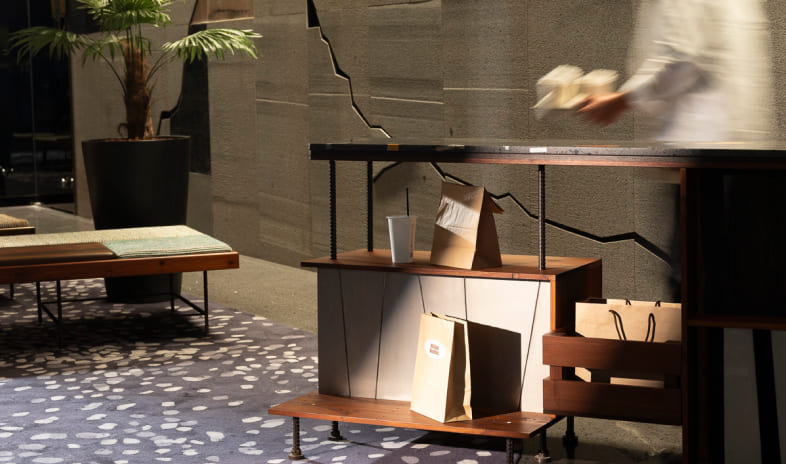
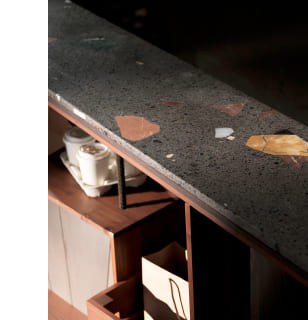
The delivery counter that makes you ask “to put or not to put?”

Constraint

Freedom

The delivery counter that makes you ask “to put or not to put?”

A first-floor lobby waiting
to be reinterpreted
How can “vitality” be expressed
without using new resources?

Through the prudence
of Farglory employees,
the imagination of designers,
and the persistence of
construction crews,
the process was
one of conflict and compromise.

After the clash,
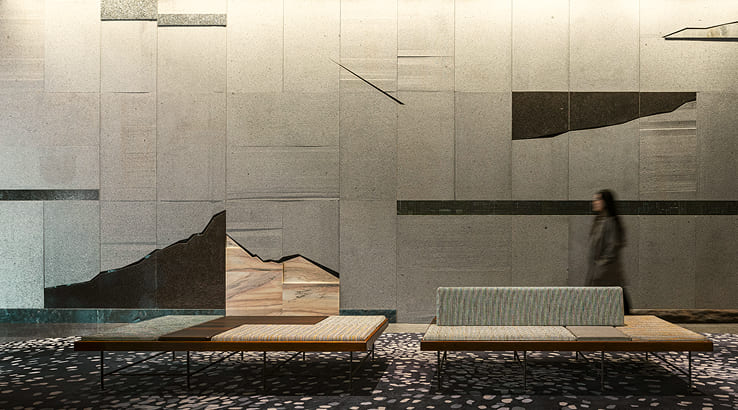
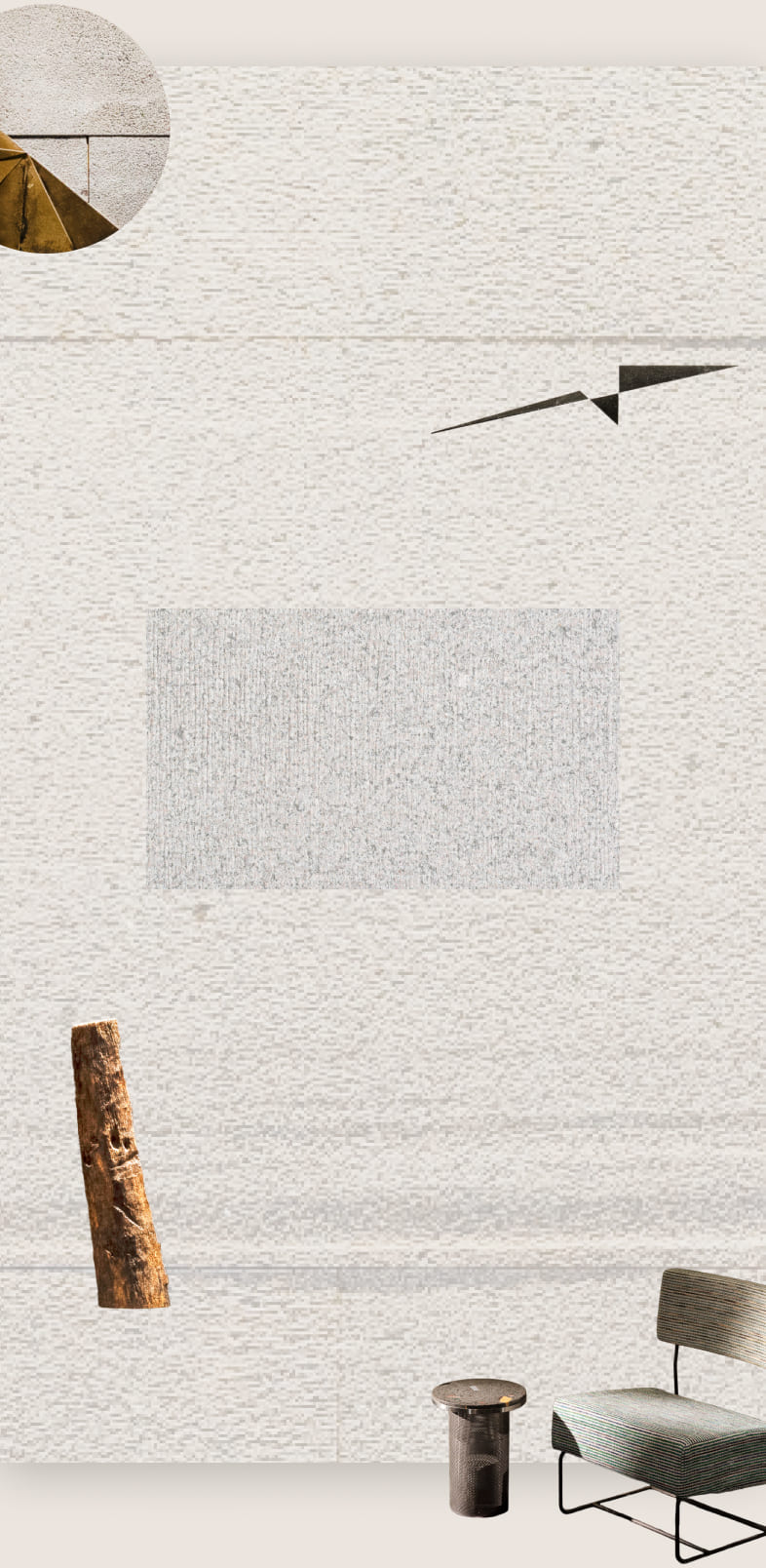
they decided to flip the wall tiles,

letting the raw texture
of the materials open up
infinite possibilities.

The result was an
rustic depiction of
nature’s landscapes—

wall tiles transformed
into mountain scenery,
floor seams into rivers,

and scattered dice-like
chairs as a metaphor
for the construction industry’s mining activities.

This wall represents
Farglory’s resolve to
not seek new resources
from nature this time,

but to search for answers within
existing materials
with a deep
respect for the natural world,

and the sparks that emerged
along the way are the most
genuine expression of vitality.

Bar stools in the bar area

Object location16F, 17F, 23F, 24F

Collaborative Production Team

META Design

Material source:

Ordinary residential project

Material features:

The bar stools were made from discarded construction site formwork that was recycled, and then coated with natural German varnish, imbuing recycled materials from construction sites with new value.

The bar stool was constructed using the trench method. After going through multiple load-bearing tests, the wood was bent and shaped to create a piece of practical furniture with a brand-new look.
The seat of the bar stool was assembled from discarded formwork; the nail holes on the surface were kept as a badge of honor to show the purpose that the wood served during construction.

The groove method was used to bend the wood.

The groove method was used to bend the wood.

The nail holes of the formwork are kept on the seat as a memorial.

The nail holes of the formwork are kept on the seat as a memorial.

The stools were the first successful case of utilizing dyeing in the project, which was done to have the stools fit with the style of the floor where the bar is located.

The stools were the first successful case of utilizing dyeing in the project, which was done to have the stools fit with the style of the floor where the bar is located.

23F Bar stools in the common room

23F Bar stools in the common room

prev

Explore Other Works

next

#ConstructionWasteUpcyclingProject2.0

#OrdinaryResidentialProjectConstructionWaste
預約部分背景

Sense the Beauty of Resources